






Electrolytes are minerals that carry an electrical charge in body fluids. Sodium is particularly relevant during sweaty exercise because it is lost in sweat. Water is enough for many ordinary activities, but when sessions are prolonged, conditions are hot or several matches are stacked together, replacing fluid alone may not cover the whole picture.
The right approach depends on the session, what you eat and drink, and how much you sweat. You do not need an electrolyte tablet every time you fill a bottle.
Bottom line: Start with water and regular meals. For long or particularly sweaty activity, consider a plan that also accounts for sodium; if the session needs fuel, remember that a low-carbohydrate electrolyte drink is not a substitute for carbohydrate.
What are electrolytes, exactly?
Sodium, potassium, chloride, magnesium and calcium are among the electrolytes involved in normal fluid balance and muscle and nerve function. They come from food and drinks, not just branded sports products. Sodium deserves particular attention during exercise in the heat because sweat contains sodium as well as water. Sweat rates and salt losses differ widely between people and conditions, so a single fixed bottle rule is a poor fit for everyone.
Sweating cools the body. It also changes the body's fluid balance. In humid Sri Lankan weather sweat may not evaporate as readily, and a session can feel harder to manage even when the pace looks moderate. That is a reason to plan opportunities to drink and cool down, not a reason to assume every headache or cramp is an electrolyte deficiency.
Water
The everyday starting point for shorter or lighter activity. Keep it accessible rather than waiting until the end.
Sodium
A key mineral lost in sweat. Food and appropriately mixed sports drinks or tablets can contribute to replacement when needed.
Carbohydrate
Fuel, not an electrolyte. Longer demanding sessions may call for food or a carbohydrate-containing drink alongside hydration.
When might water alone not be enough?
Think in terms of exposure rather than a magic minute mark. A brief indoor gym session with normal meals and water may need nothing more. A long run in the heat, a rugby training block, rowing on a humid morning or outdoor cricket over many hours presents a different challenge. So does a tournament with repeated badminton or squash matches and limited recovery time. In each case, access to fluids, food, shade and breaks matters.
Plain water does not replace sodium lost in sweat. But electrolyte products do not automatically solve inadequate drinking, excessive heat exposure or insufficient food. Overdrinking large amounts of plain water during prolonged activity can also be unsafe. Drink according to conditions and thirst, take reasonable breaks and seek individual guidance for particularly long events or heavy sweat losses.
Before, during and after sport
Before: Begin a session normally hydrated, with meals and drinks appropriate to the day. If heading straight from a Colombo office to an evening run or racket-sport match, pack a bottle and a snack rather than relying on the venue to have both. There is no benefit in forcing large volumes just before play.
During: Use natural breaks to drink. In cricket, rugby and running, access and intensity vary; plan around the actual fixture rather than copying a teammate's routine. For pickleball and padel, repeated games can turn a seemingly brief match into a long court session. If you are sweating heavily or playing for hours, an electrolyte drink may be useful, but plan fuel separately if energy demands are high.
After: Drink, eat and cool down. A regular meal contributes fluid, sodium and carbohydrate. If you have another match soon, the gap between games matters: bring food you tolerate, refill your bottle and find shade. Avoid treating the colour of one urine sample or one cramp as a diagnosis.
SiS Hydro Tablets at SNH
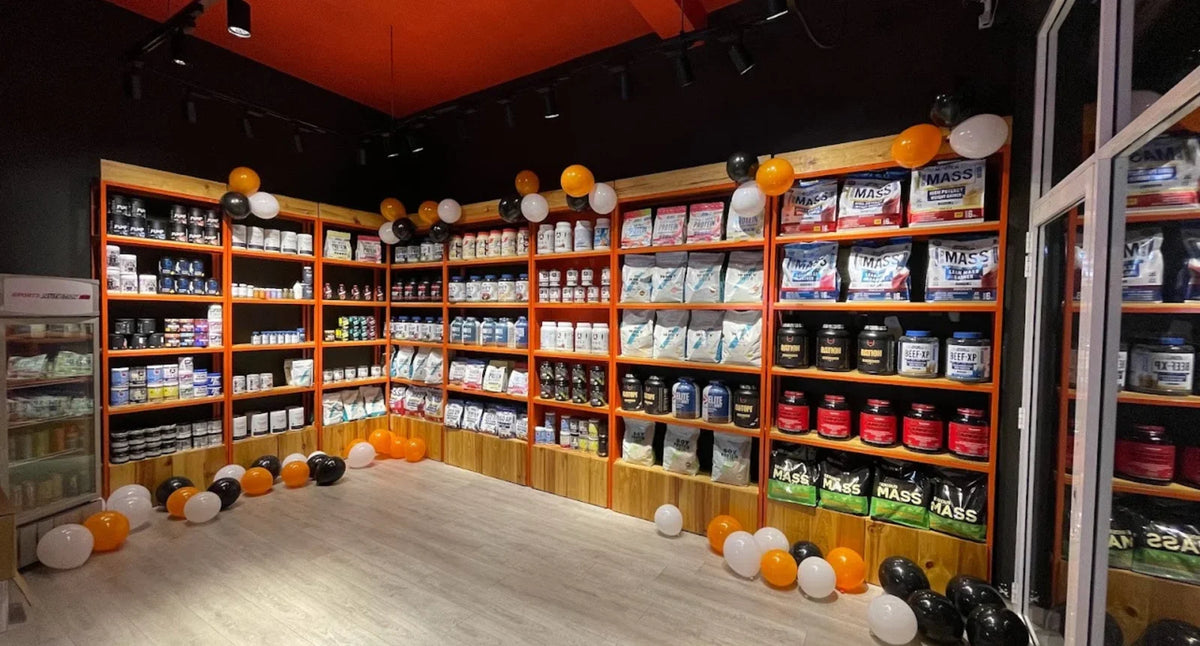
The store carries SiS Hydro Tablets, an electrolyte tablet option for mixing with water. Follow the current label's mixing instructions and check its ingredients. It is not a carbohydrate-fuelling product, so pair your hydration plan with food when the session calls for energy.

Choose the plan, not just the product
Tablets are convenient when you have water and a suitable bottle. They are not required for every workout, and the appropriate drink varies with the duration, heat and intensity of exercise. If you are doing extended endurance work, compare an electrolyte-only option with a drink that also provides carbohydrate. For sport-specific reading, see our planned guides to SiS GO Hydro tablets, pickleball hydration and padel hydration. Those links will only be public when their draft articles are published.
Frequently asked questions
Are electrolytes the same as sports drinks?
No. Electrolytes are minerals; sports drinks vary in their amounts of electrolytes and carbohydrate. Read the label for both.
Do I need electrolytes for a short workout?
Usually water and normal meals are a sensible starting point. Heat, individual sweat loss and your overall day can change the plan.
Is sodium more important than magnesium in sweat?
Sodium is a principal electrolyte lost in sweat. That does not mean every athlete needs extra sodium outside of meals; consider the session and your health circumstances.
Will electrolytes prevent cramps?
Not reliably. Cramps have multiple possible causes. Avoid diagnosing an electrolyte problem from a cramp alone.
Can I drink too much water during sport?
Yes, excessive drinking during prolonged activity can be dangerous. Avoid forcing fluids beyond your needs; seek tailored advice for long events.
Plan for the session you are actually doing
Water and food cover many everyday sessions. For long, hot or repeated play, think through fluid, sodium, fuel and breaks together.
Explore SiS Hydro TabletsGeneral guidance for adults, not a diagnosis or personal hydration prescription. If you have kidney or heart disease, take medicines affecting fluid balance or sodium, or experience persistent symptoms, ask a qualified healthcare professional for individual advice. Follow the product label.



Leave a comment
This site is protected by hCaptcha and the hCaptcha Privacy Policy and Terms of Service apply.